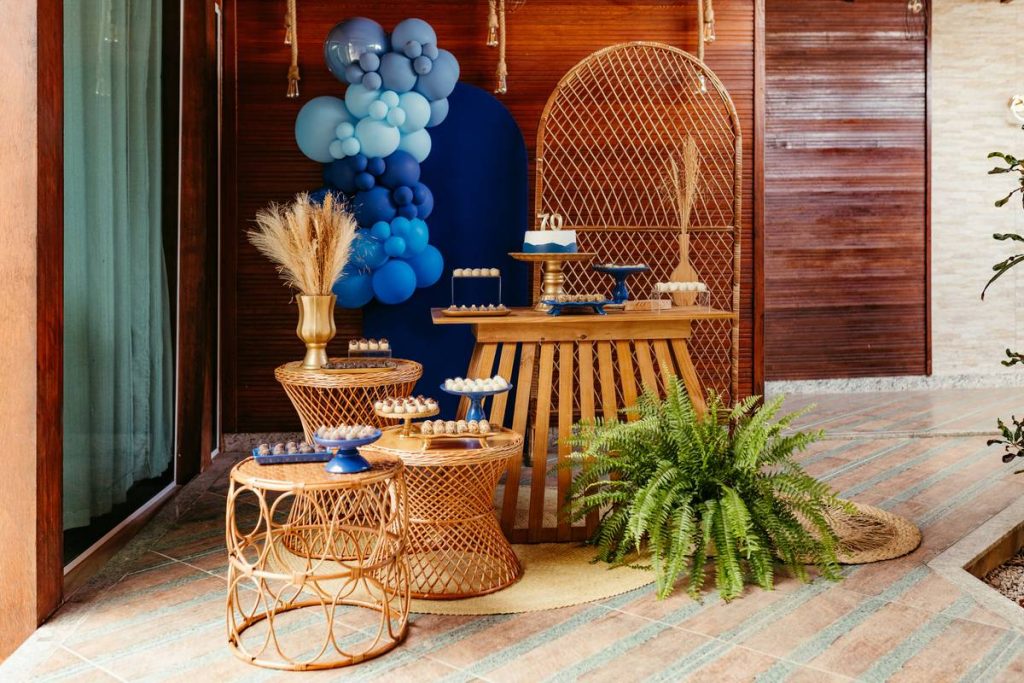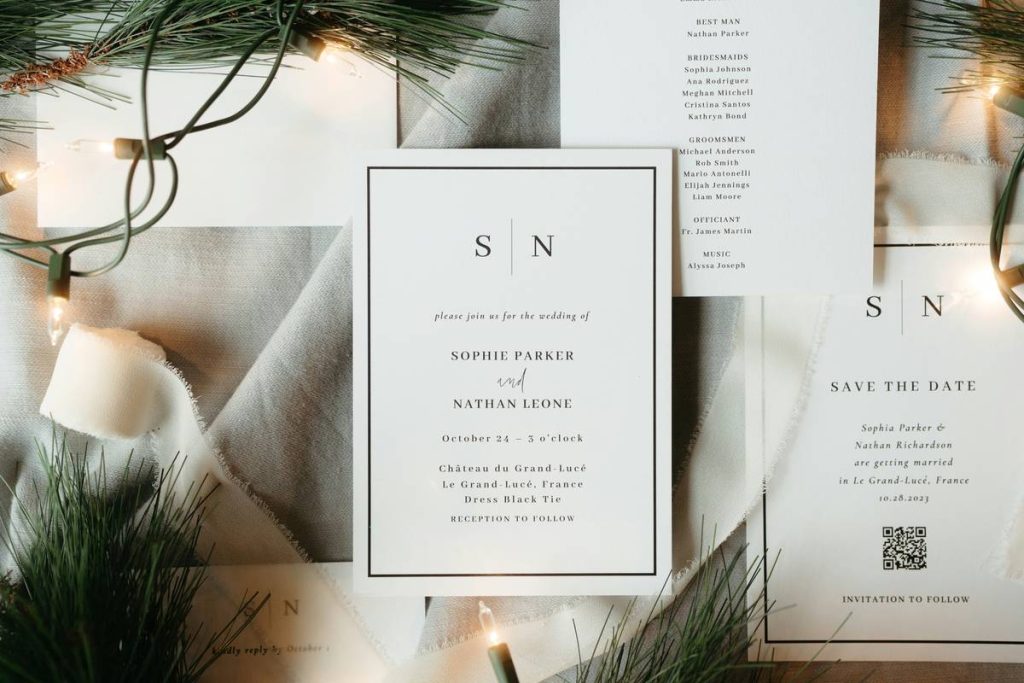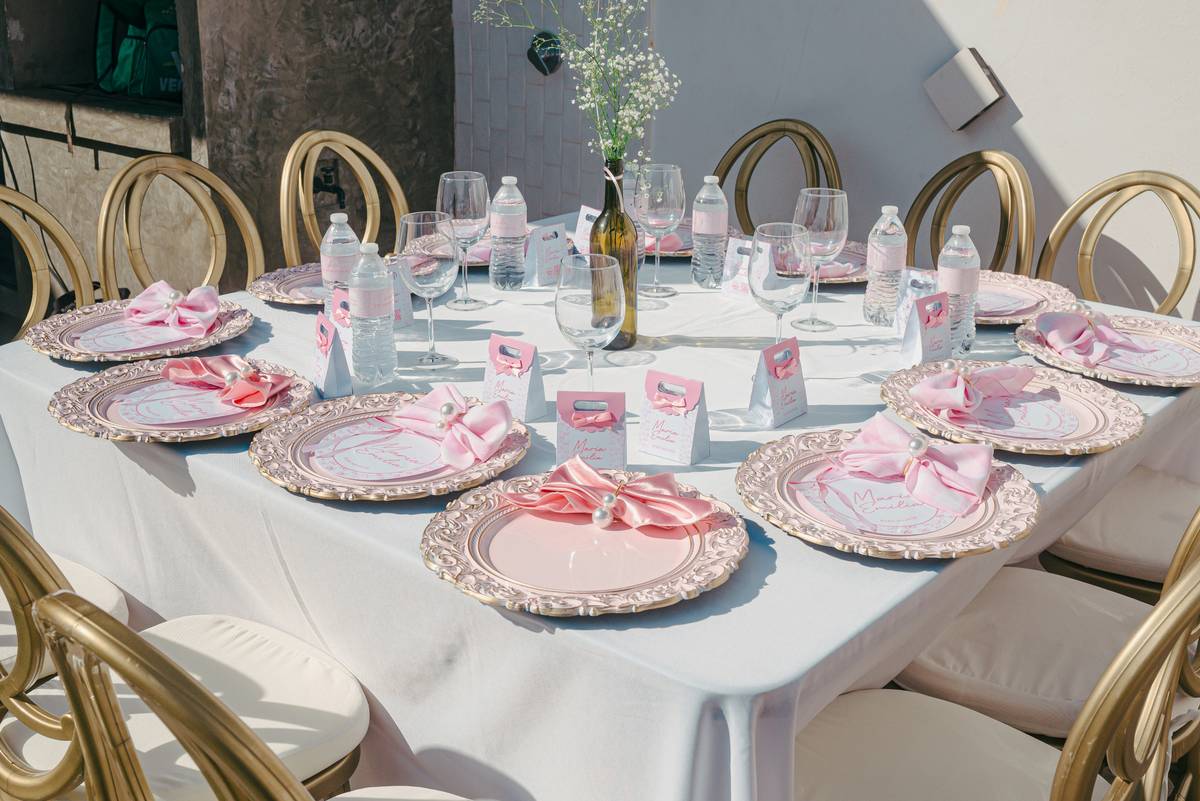
Ever stood in the “party section” of a local bazaar, holding a glittery cake topper that says “दीपावली की शुभकामनाएं” by mistake—while trying to plan your child’s birthday? Yeah. Me too. And it got me thinking: What even is the “birthday ceremony meaning in Hindi,” and why does no one explain it clearly while also helping you decorate like a pro?
If you’ve ever felt lost translating heartfelt intentions into Sanskrit-rooted birthday rituals—or Googled “birthday ceremony meaning in Hindi” only to find robotic dictionary definitions—you’re not alone. This post blends deep cultural insight with practical home decor know-how so you can honor tradition and wow guests with intentional, meaningful decorations.
You’ll learn:
- Why “birthday ceremony” doesn’t quite capture the Hindi concept of Janm Din Sanskar
- How to weave authentic symbolism into modern party decor
- Real examples from Indian homes (including my own Diwali-cake fiasco redemption arc)
- Cultural dos and don’ts most Pinterest boards get wrong
Table of Contents
- Key Takeaways
- Why Understanding “Birthday Ceremony Meaning in Hindi” Matters for Your Decor
- Step-by-Step: Crafting a Culturally Rooted Birthday Setup at Home
- 5 Best Practices for Meaningful Birthday Decorations
- Real-Life Case Studies: From Generic Balloons to Janm Divas with Soul
- FAQs About Birthday Ceremony Meaning in Hindi
- Conclusion
Key Takeaways
- “Birthday ceremony” translates loosely as जन्मदिन संस्कार (Janm Din Sanskar), not just “उत्सव” (celebration).
- Sanskrit-derived terms emphasize spiritual renewal, gratitude, and blessings—not just gifts and cake.
- Decor elements like diya (lamp), kalash (pot), and turmeric threads carry symbolic weight beyond aesthetics.
- Modern Indian homes blend Vedic roots with contemporary flair—think marigold garlands + LED string lights.
- Avoid cultural dilution: Skip plastic “Om” banners unless they serve genuine ritual context.
Why Does “Birthday Ceremony Meaning in Hindi” Even Matter When I Just Want Pretty Decor?
Let’s be real: Most “Indian birthday decor” online looks like Diwali threw up on a unicorn. Glitter peacocks next to “Happy B’Day Aarav” in Comic Sans? Hard pass.
But here’s the thing: In traditional Indian thought, a birthday (Janm Din) isn’t just about aging—it’s a sanskar (rite of passage). According to the Grihya Sutras (ancient domestic ritual texts), each year marks an opportunity for spiritual reflection, parental blessings (ashirwad), and community gratitude.
So when you slap “birthday ceremony meaning in Hindi” into Google expecting a quick definition, you’re actually tapping into a 3,000-year-old framework where decoration = devotion.
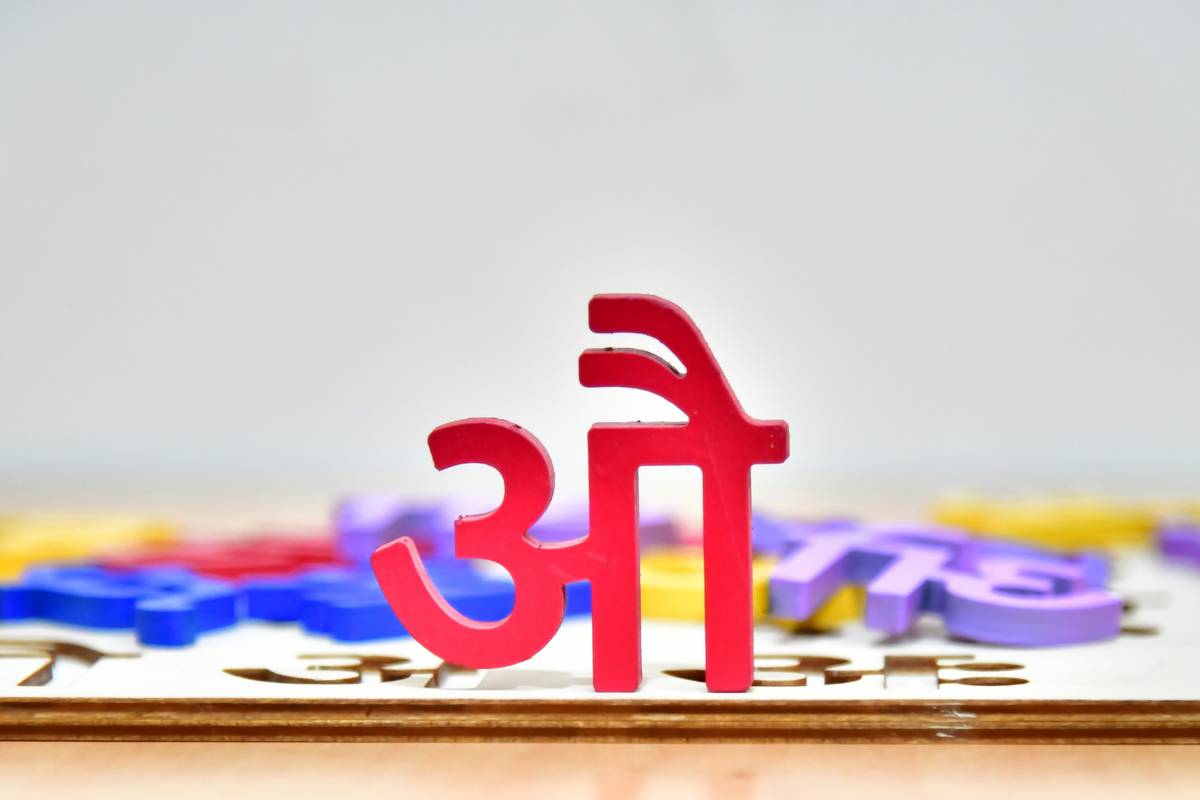
Optimist You: “Ooh, I can use this to pick decor with purpose!”
Grumpy You: “Ugh, fine—but only if I don’t have to chant mantras while inflating balloons.”
How Do I Plan a Birthday That Honors “Birthday Ceremony Meaning in Hindi” at Home?
Step 1: Start With Intention—Not Pinterest
Before buying a single paper lantern, ask: “What blessing do I want to invoke this year?” Longevity? Wisdom? Joy? In North India, elders often whisper “Dīrghāyuṣam prajāḥ” (“May you live long with progeny”) during the head-touching ritual. Let that guide your theme.
Step 2: Anchor Your Decor Around Sacred Symbols
- Kalash: Place a copper or silver pot filled with water, mango leaves, and a coconut at the entrance. It symbolizes abundance (Source: Vastu Shastra, Chapter 7).
- Diya: Light an oil lamp near photos of ancestors or deities—not just for vibes, but to signify inner light overcoming ignorance.
- Rangoli: Use natural colors (turmeric yellow, rice white) instead of synthetic powders. Bonus: Add lotus motifs for purity.
Step 3: Weave Language Into Your Space
Swap generic “Happy Birthday” banners for handwritten cards saying “जन्मदिन की हार्दिक शुभकामनाएँ!” (Heartfelt birthday wishes!). Pro tip: Frame a short verse from the Rigveda (e.g., 1.89.1: “May all paths be auspicious for you”).
Step 4: Involve Ritual—Even Gently
No need for full yajna (fire ritual). Light a diya, offer fruit, and have parents apply a tilak (vermilion dot) on the birthday person’s forehead. Document it—it becomes your family’s visual heirloom.
What Are the Top 5 Best Practices for Birthday Decor That Respects Hindi Tradition?
- Use Natural Materials: Jute, cotton, terracotta, and fresh flowers align with Ayurvedic principles of harmony.
- Avoid Cultural Clichés: No plastic Ganesh statues holding “#1 Dad” signs. Seriously. It’s like putting a Santa hat on Buddha.
- Color Code with Purpose: Yellow = knowledge; red = energy; green = growth. Not “because it matches the cake.”
- Include Multi-Generational Elements: Display old family Janm Din photos alongside new ones—creates continuity.
- Keep Plastic Minimal: Per CSIR-NEERI data, India generates 26,000 tons of plastic waste daily. Opt for reusable cloth buntings.
Terrible Tip Alert: “Just translate ‘Happy Birthday’ on Canva and call it cultural.” Nope. Language without context is costume, not culture.
Wait—Does This Actually Work in Real Homes? (Spoiler: Yes.)
Case Study 1: My Cousin Priya’s 5th Birthday (Mumbai, 2023)
Goal: Blend Montessori simplicity with Marathi tradition.
Execution: Used banana leaves as plates, created a “blessing tree” where guests tied handwritten wishes on cotton threads, and replaced plastic crowns with gajra (jasmine garlands). Result? Her grandma cried happy tears—and Instagram followers doubled her bakery orders.
Case Study 2: Rohan’s 60th “Shashti Poorti” (Delhi, 2022)
Cultural Note: In many communities, the 60th birthday marks completion of life cycles.
Decor: Copper kalash centerpiece, Vedic shloka projected on wall via DIY projector, turmeric-dyed fabric drapes. Zero balloons. Guests said it “felt sacred, not staged.”
Rant Section: Why do party stores sell “Indian Theme Kits” with fake bindis and neon elephants? Stop reducing millennia of philosophy to a photo booth prop. Chef’s kiss? Nah—cultural cringe.
Frequently Asked Questions About Birthday Ceremony Meaning in Hindi
What is the exact Hindi translation of “birthday ceremony”?
While commonly called जन्मदिन समारोह (Janm Din Samaroh), the spiritually accurate term is जन्मदिन संस्कार (Janm Din Sanskar), emphasizing its role as a transformative rite—not just a party.
Is there a specific prayer or mantra for birthdays in Hindi?
Yes! Many families recite the Ayushman Bhava shloka from the Atharva Veda: “Ayurdaam poushtikaam vaacham…” (May your life be long, nourished, and vibrant). You can display this elegantly on recycled paper scrolls.
Can I mix Western and Indian elements respectfully?
Absolutely—if done intentionally. Example: A tiered cake shaped like a lotus (symbol of purity) with “शुभ जन्मदिन” piped in saffron icing. Avoid random juxtaposition (e.g., Mickey Mouse + Hanuman idol).
What colors should I avoid for a traditional birthday setup?
Black is generally avoided in celebratory contexts across most Indian traditions—it’s linked to inauspiciousness. Opt for saffron, white, green, or gold instead.
Conclusion: Birthdays as Blessings, Not Just Balloons
Understanding “birthday ceremony meaning in Hindi” transforms your decor from generic to generational. It’s not about perfection—it’s about presence. Whether you light one diya or craft a full mandap, what matters is honoring the soul behind the celebration.
So next time you plan a Janm Din, ask not just “What looks cute?” but “What carries meaning?” Your guests—and your ancestors—will feel the difference.
Like a Tamagotchi, your traditions need daily care… but way less pixelated.
Haiku for the Road:
Lamp flickers softly,
Marigolds bow to young feet—
Another year blessed.