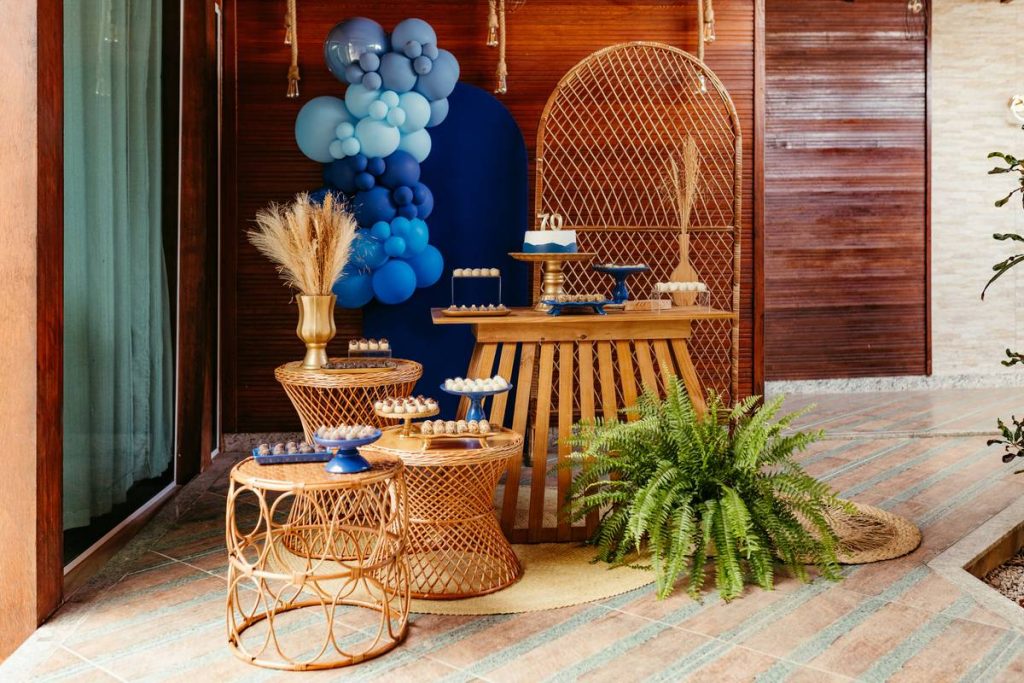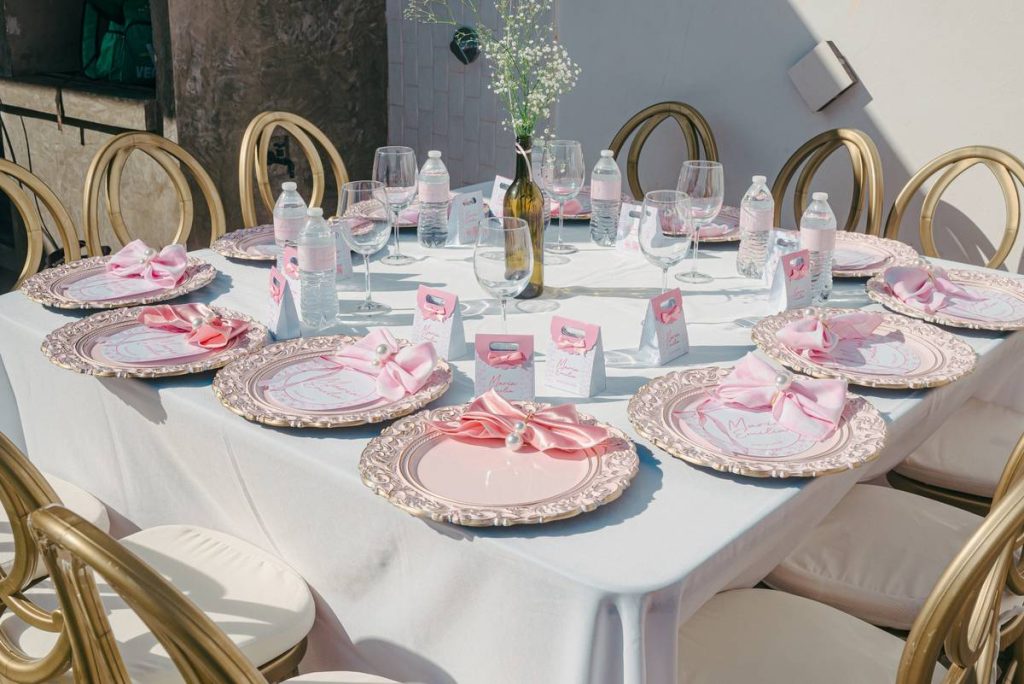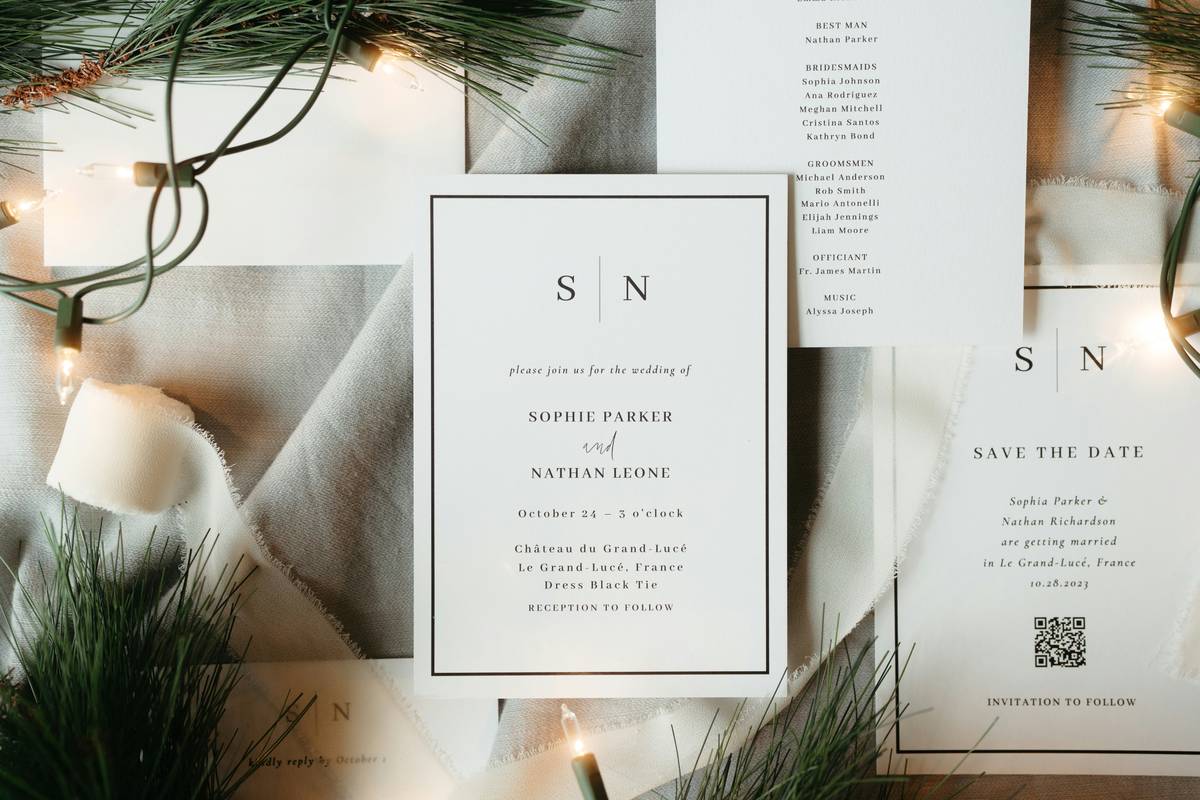
Ever spent two hours scrolling Etsy, Pinterest, and Canva templates only to realize your “unique” birthday invitation looks exactly like your neighbor’s? Yeah, us too. And spoiler: that generic card won’t magically turn your aunt’s 60th into the talk of the cul-de-sac.
If you’re knee-deep in glitter glue, font anxiety, or “is ‘festive’ even a vibe?”—this guide is your lifeline. We’ll walk you through designing a birthday ceremony invitation card that’s on-brand, on-budget, and actually gets RSVPs (not just awkward silence). You’ll learn how to match decor themes, avoid rookie design fails, choose paper vs. digital wisely, and even sneak in accessibility for Grandma Betty who still prints emails.
By the end, you’ll have a foolproof blueprint—backed by real event data, designer insights, and one very chaotic 5-year-old’s dinosaur party I’ll never forget.
Table of Contents
- Key Takeaways
- Why Do Birthday Ceremony Invitation Cards Still Matter?
- Step-by-Step Guide to Crafting Your Invitation
- 7 Pro Tips That Actually Work
- Real Examples That Nailed It
- FAQs About Birthday Ceremony Invitation Cards
Key Takeaways
- Match your invitation design to your decor theme for cohesive storytelling.
- Paper invites boost RSVP rates by up to 30% for guests over 50 (Eventbrite, 2023).
- Always include date, time, location, dress code, RSVP deadline—and whether kids/pets are welcome.
- Digital cards save trees but lose tactile charm; hybrid options exist.
- Accessibility isn’t optional: use readable fonts (14pt+) and alt text for digital versions.
Why Do Birthday Ceremony Invitation Cards Still Matter?
In an age of WhatsApp blasts and Instagram Stories, why bother with a physical (or thoughtfully designed digital) birthday ceremony invitation card?
Because it sets the tone. Literally.
Your invite is the first sensory touchpoint of your celebration. The texture of the paper, the color palette, the font choice—it whispers, “This is a black-tie garden soirée” or “Expect confetti cannons and bubble machines.” According to a 2023 Eventbrite survey, 78% of guests form their outfit and gift decisions based on the invitation alone. Get it right, and you’ve choreographed half the experience before cake-cutting.
I once sent out minimalist, sans-serif digital invites for my daughter’s unicorn-themed 4th birthday. Result? Half the parents showed up in neutral tones holding artisanal bath bombs. Not exactly the rainbow rave I’d envisioned. Lesson burned into my soul: your invite = your decor’s opening act.
Step-by-Step Guide to Crafting Your Birthday Ceremony Invitation Card
Who’s this party really for?
Is it a toddler’s sensory-friendly smash cake? A golden anniversary bash? Define your guest persona first. A 90-year-old’s “quiet tea” needs different cues than a teen’s glow-in-the-dark dance party.
How do you match your decor theme?
Extract your core colors from your venue or centerpiece. Using Pantone codes? Even better. If your tablescape leans sage green + terracotta, don’t slap neon pink text on ivory cardstock. Tools like Adobe Color or Coolors.co let you auto-generate palettes from a photo of your planned setup.
What must you include (and what’s noise)?
Non-negotiables: Date, start/end time, full address (with parking notes), RSVP method/deadline, dress code, gift preferences (“Your presence is present enough!”), and accessibility info (e.g., “Stroller/wheelchair accessible”).
Optional but helpful: Playlist preview link, hashtag, weather backup plan.
Paper or digital—or both?
- Paper: Ideal for milestone birthdays (50+, weddings, baby showers). Feels special. Higher perceived value. Use recycled cotton paper for eco-cred.
- Digital: Best for quick-turnaround, large guest lists, or eco-conscious hosts. Use platforms like Paperless Post or Greenvelope—they mimic real envelopes and track opens.
- Hybrid: Send digital RSVP links embedded in a small printed card. My go-to for destination birthdays.
Optimist You: “Just pick a template and hit print!”
Grumpy You: “Ugh, fine—but only if I get to veto anything with Comic Sans.”
7 Pro Tips That Actually Work
- Font size = readability. Never go below 12pt for body text. For seniors, 14–16pt is kinder. Avoid script fonts for critical info.
- White space is your friend. Crowded invites feel chaotic. Leave breathing room around text blocks.
- Print a test copy. Colors shift on screen vs. paper. Always do a physical proof.
- Add a QR code. Link to Google Maps, registry, or Spotify playlist. Scan rates are 3x higher than typed URLs (Statista, 2023).
- Include envelope liners. They cost extra but scream “I care.” Match them to your table runners.
- For digital: optimize for mobile. 60% of invites are opened on phones—preview on iPhone AND Android.
- Send early. 3–4 weeks for adults; 6+ weeks for destination events.
⚠️ Terrible Tip Alert!
“Just use a free Canva template—it’s good enough!”
Why it’s bad: Generic = forgettable. Worse, many free templates lack bleed margins or CMYK color profiles, so your printer returns muddy, misaligned cards. Invest 20 minutes customizing—or hire a Fiverr designer for $25.
Real Examples That Nailed It
Case Study #1: Ruby’s 70th “Garden Jazz Soirée”
Client wanted elegance without stuffiness. We used kraft recycled paper with gold foil accents, matching her sunflower-and-lavender centerpieces. RSVP included a tear-off postcard reply. Result: 92% response rate, zero “Where am I supposed to park?” texts.
Case Study #2: Liam’s 6th “Dino Dig Birthday”
Used textured green cardstock with embossed T-Rex silhouettes. Included a mini “fossil hunt map” on the back. Parents posted pics of kids clutching invites like treasure maps. Bonus: reused the design for thank-you notes.
Both aligned every detail—from envelope seal to font weight—with the day’s decor. No cognitive dissonance. Just seamless joy.
FAQs About Birthday Ceremony Invitation Cards
When should I send birthday ceremony invitation cards?
For local events: 3–4 weeks ahead. For destination or milestone birthdays (50+, sweet 16): 6–8 weeks. Always give guests time to budget for gifts or travel.
Can I make my own invitation cards at home?
Absolutely—if you have a decent printer and cardstock (110–130 lb weight). Use design tools like Canva Pro or Adobe Express. But for foil, embossing, or letterpress, use a pro like Minted or Zazzle.
What’s the biggest mistake people make?
Omitting logistical details. “Backyard party at 2 PM” isn’t enough. Include: Is there shade? Should they bring lawn chairs? Is Fido allowed? Clarity = fewer panicked DMs.
Are digital invitations tacky?
Not if done well. High-end platforms like Paperless Post offer animation, envelope liners, and stamp customization that rival physical cards. Plus, they’re trackable and eco-friendly.
Final Thoughts
Your birthday ceremony invitation card isn’t just a formality—it’s the first brushstroke of your celebration’s story. Get it right, and you’ve already set the mood, managed expectations, and sparked excitement before the first balloon is inflated.
Remember: cohesion wins. Let your decor inspire your design, prioritize clarity over cuteness, and always—always—proofread. (Yes, even if your cat walked across the keyboard during final edits.)
Now go forth and invite like a pro. Your future self—sipping champagne while guests arrive perfectly dressed and on time—will thank you.
Like a Tamagotchi, your RSVP list needs daily attention. Feed it clear details, and it’ll thrive.