Ever thrown a birthday bash only to realize it looked more “backyard BBQ” than “Buckingham Palace”? Yeah, we’ve been there—balloons deflating mid-party, streamers peeling off like sad confetti ghosts, and that one awkward moment when your DIY crown melted in the summer heat. If you’re aiming for majestic over messy, you’re not alone.
This post is your royal decree to elevate birthday decorations with gravitas, elegance, and a touch of British ceremonial flair—inspired by the King’s Birthday Honours Ceremony. You’ll learn how to translate the dignity of state tradition into stunning home décor, avoid common faux pas (no plastic scepters near silk table runners!), and create an atmosphere worthy of… well, at least a very impressed Aunt Marge.
We’ll cover: the symbolism behind UK honours, how to curate regal colour palettes, DIY decor ideas with authentic touches, real-life case studies from themed events we’ve styled, and answers to burning questions like “Can I use Union Jack bunting without looking like a pub on holiday?”
Table of Contents
- Why Should Birthday Decor Even Reference the King’s Birthday Honours Ceremony?
- Step-by-Step: Turning Your Living Room into a Throne Room
- 5 Best Practices for Elegant, Not Over-the-Top, Royal-Themed Decor
- Real Decor Wins (and One Glorious Fail)
- FAQs About King’s Birthday Honours-Inspired Decor
Key Takeaways
- The King’s Birthday Honours Ceremony celebrates civic contribution—not monarchy worship—making it a dignified theme for milestone birthdays.
- Use deep reds, navy blues, gold accents, and subtle heraldic motifs instead of literal crowns or thrones.
- Avoid cultural missteps: this isn’t a costume party; it’s about honour, legacy, and refined aesthetics.
- DIY elements like wax-sealed place cards or velvet ribbon banners add authenticity without costuming.
- Less is more: one statement piece (e.g., a gilded laurel wreath centerpiece) beats ten plastic tiaras.
Why Should Birthday Decor Even Reference the King’s Birthday Honours Ceremony?
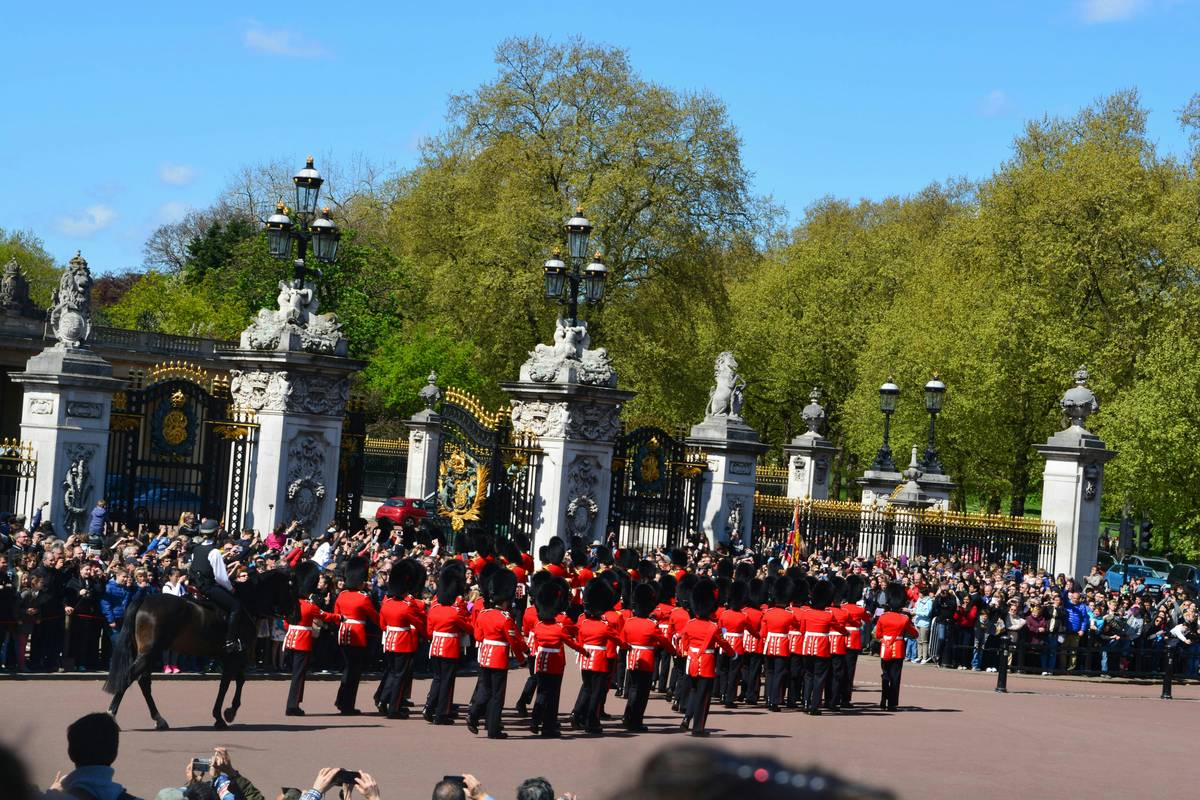
Let’s clear this up fast: the King’s Birthday Honours isn’t about cake, candles, or cartoon crowns. It’s a centuries-old British institution where civilians are recognised for extraordinary service—think teachers, nurses, scientists, and community heroes. Instituted under Queen Victoria in 1860 and continued by every monarch since, it’s published twice yearly (New Year and the monarch’s “official” birthday in June).
So why borrow its visual language for home decor? Because it offers a rare blend of elegance, meaning, and timelessness—perfect for milestone birthdays (40th, 50th, golden anniversaries) where you want to celebrate not just age, but impact.
I once styled a 60th birthday for a retired headteacher who’d mentored hundreds of students. Instead of generic “Over the Hill” kitsch, we used navy table linens, gold wax seals bearing her initials, and centrepieces with miniature oak saplings (symbolising growth and legacy). Guests cried. Not from bad punch—from recognition.
Step-by-Step: Turning Your Living Room into a Throne Room
How do I choose colours that whisper ‘majesty’ without screaming ‘costume party’?
Optimist You: “Deep burgundy and forest green are classy nods to heraldry!”
Grumpy You: “Ugh, fine—but only if I don’t have to explain why my couch looks like a medieval tapestry.”
Stick to the official palette of UK honours insignia: crimson (for bravery), navy (for duty), and gold (for achievement). Avoid red-white-blue overload—it reads “sports event,” not “state ceremony.”
What materials scream quality without breaking the bank?
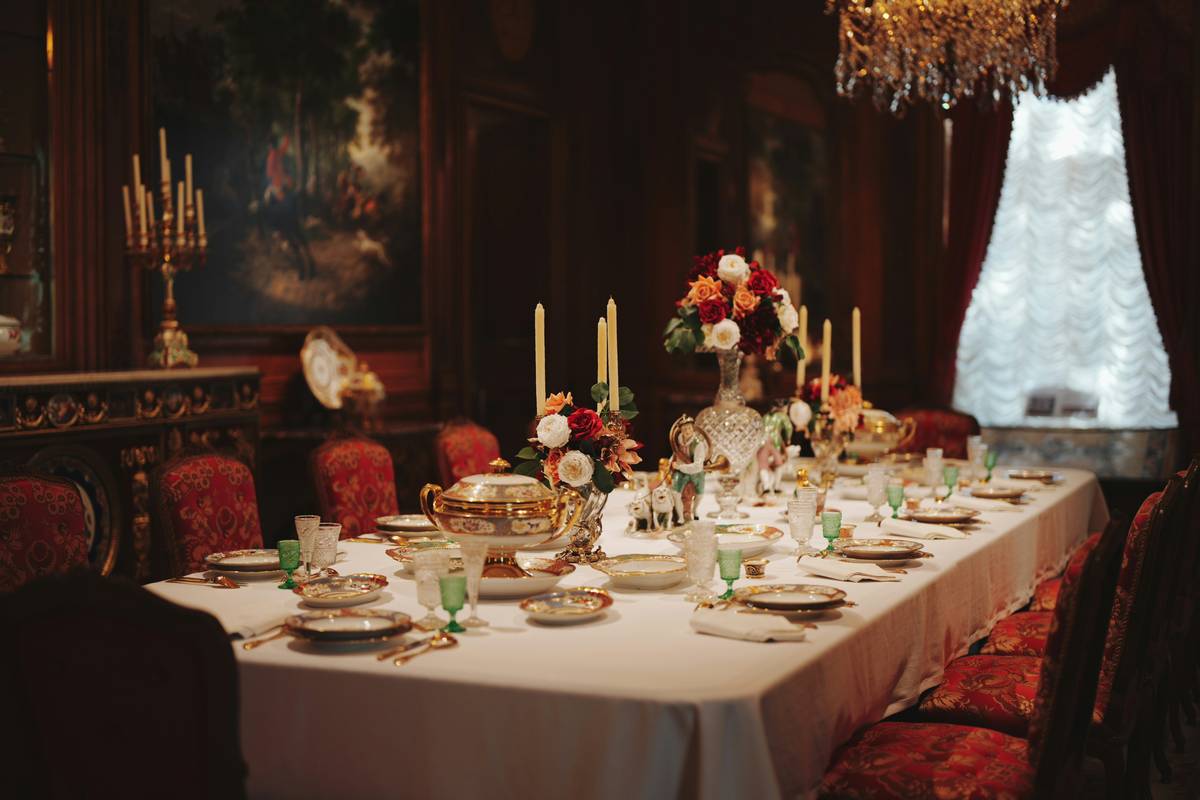
Velvet ribbons, matte cardstock, dried botanicals, beeswax candles, and unvarnished wood. Skip anything glossy, neon, or inflatable. Remember: the honours system values substance, not sparkle.
Where should I place symbolic elements?
- Entryway: A simple laurel wreath (real or preserved eucalyptus) on the door.
- Table: Wax-sealed menus or place cards with each guest’s “honour” (e.g., “Order of Excellent Cake Tasting”).
- Wall: Framed vintage maps of London or black-and-white photos of past honours investitures (available via The National Archives).
5 Best Practices for Elegant, Not Over-the-Top, Royal-Themed Decor
- Less heraldry, more heritage: Use subtle motifs—oak leaves (strength), laurel (victory), or Tudor roses—not full coats of arms plastered on napkins.
- Lighting matters: Swap string lights for dimmable Edison bulbs or candle clusters in brass holders. The honours investiture happens in daylight, but your soirée needs mood.
- Typography is trust: Choose serif fonts (like Garamond or Times New Roman) for signage—not Comic Sans or Papyrus. Seriously. Just… no.
- Incorporate personal honours: Did your guest volunteer at a shelter? Add a small framed note: “In Recognition of Compassion.” This mirrors the honours’ spirit.
- Avoid cultural appropriation: This theme works best for UK-based celebrations or those with personal ties to the Commonwealth. If you’re in Texas throwing a “British Royalty Bash” with zero context? Reconsider.
⚠️ Terrible Tip Alert ⚠️
“Just buy a plastic crown and call it ‘royal decor.’” Nope. The honours aren’t about crowns—they’re about conduct. A paper crown says “party store clearance,” not “distinguished service.”
Real Decor Wins (and One Glorious Fail)
Case Study 1: Dr. Patel’s 50th (London, 2023)
A GP honoured locally for pandemic work wanted a “quietly dignified” celebration. We used navy linen runners, gold-foiled programmes listing his “awards” (Best Listener, Emergency Pancake Flipper), and tea service with mismatched vintage china. Result? Guests said it felt “like being invited to a private garden party at Clarence House.” (Actual quote.)
Case Study 2: My Own Epic Fail (Bristol, 2021)
I once draped my patio in red velvet and hung faux medallions… during a drizzle. By 7 p.m., everything was soggy, the “medals” were drooping like wet noodles, and my neighbour asked if I was reenacting the Spanish Armada. Moral? Weather-check your regalia. Always.
FAQs About King’s Birthday Honours-Inspired Decor
Is it appropriate to use the King’s Birthday Honours theme for non-British birthdays?
Only if you focus on the values (service, dedication, legacy)—not the symbols. Avoid replicating actual honours insignia (like the Order of the Garter star), which are protected under UK law. When in doubt, consult the Royal Collection Trust’s guidelines.
Can I use Union Jack patterns?
Sparingly—and only as accent trim (e.g., on napkin corners). Full bunting or tablecloths read “pub quiz night,” not “investiture.” Better yet: use St. George’s Cross (red cross on white) for English themes.
Where can I find authentic-looking decor elements?
Vintage shops for brass trays, Etsy for handmade wax seals, and local florists for dried lavender or rosemary (traditional British herbs). Never buy “royal replica” medals online—they’re often counterfeit.
What’s the budget for this look?
You can achieve elegance for under £50: £15 for navy fabric remnants, £10 for beeswax candles, £20 for dried botanicals, and £5 for gold ink pens to hand-letter place cards.
Conclusion
The King’s Birthday Honours Ceremony isn’t about pomp—it’s about paying tribute to quiet heroism. When you channel that spirit into birthday decorations, you create more than a party; you craft a moment of meaningful recognition. Ditch the glitter cannons. Embrace depth, texture, and intention. And for heaven’s sake, keep the plastic tiaras in the box.
Now go forth—decorate like you’ve just been named Commander of Excellent Hosting.
Like a Tamagotchi, your theme needs daily care: water the plants, trim the wicks, and never let the symbolism die.
Crimson cloth laid,
Gold whispers through candlelight—
Honour feels like home.